

Traditional knowledge (TK) is knowledge, know-how, skills and practices that are developed, sustained and passed on from generation to generation within a community, often forming part of its cultural or spiritual identity.
TK is considered to be collective property owned by the entire community. It is res communis i.e., owned by the entire society. TK is a collective right that belongs to the community that has developed this knowledge over time. It consists of practices, instructions, and knowledge that have been passed on from generation to generation within an indigenous community.
While there is not yet an accepted definition of TK at the international level, it can be said that:
- TK in a general sense embraces the content of knowledge itself as well as traditional cultural expressions, including distinctive signs and symbols associated with TK.
- TK in the narrow sense refers to knowledge as such, in particular the knowledge resulting from intellectual activity in a traditional context, and includes know-how, practices, skills, and innovations.
Traditional knowledge can be found in a wide variety of contexts, including: agricultural, scientific, technical, ecological and medicinal knowledge as well as biodiversity-related knowledge.
Traditional knowledge also has to be seen in the context of that how many people have access to such knowledge and whether the knowledge has been codified for future use. These two factors are the most important for the new patent holders to show that why something went right or wrong as it will result in some license fee for the inventory.
Article 8(j) of the Convention on Biological Diversity puts forth that traditional knowledge refers to the awareness, inventions, and traditions of local and indigenous cultures worldwide.
The most important element of TK is that it has an ancient origin and is mostly oral.
World Intellectual Property Organisation (WIPO) defines traditional knowledge as the knowledge, skills, practices, and know-how that are developed, sustained, and passed on from generation to generation within a community, often forming part of its cultural or spiritual identity.
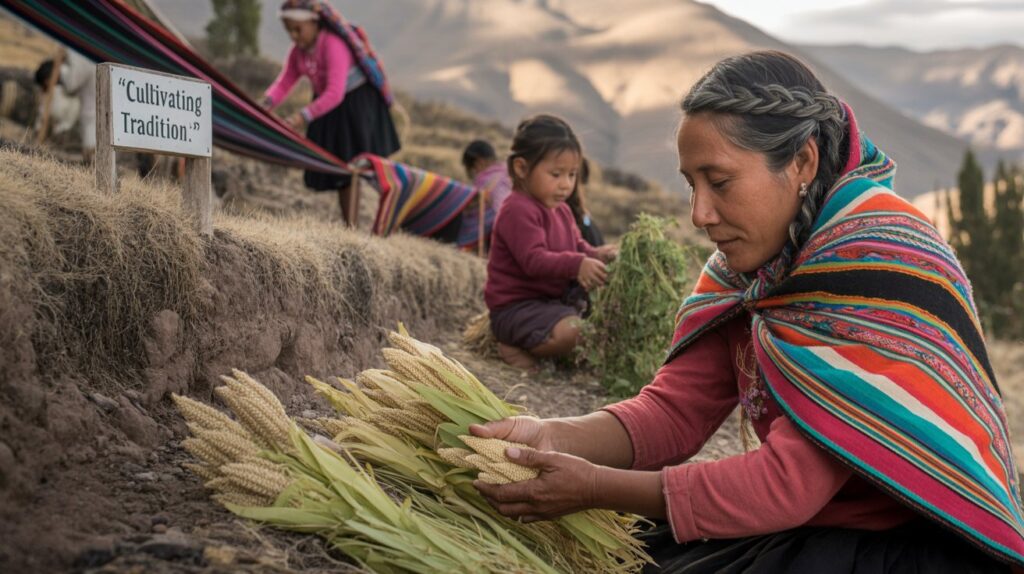
TRADITIONAL KNOWLEDGE AND INTELLECTUAL PROPERTY
Innovations based on TK may benefit from patent, trademark, and geographical indication protection, or be protected as a trade secret or confidential information. However, traditional knowledge as such – knowledge that has ancient roots and is often oral – is not protected by conventional intellectual property (IP) systems.
Traditional information in the present IPR regime can be protected by two means: Positive Protection and Defensive Protection. Discrepancies between protective and constructive protection of IPR are not watertight. Therefore both strategies should be used successfully to safeguard conventional information.
- Defensive protection
Defensive protection refers to a set of strategies to ensure that third parties do not gain illegitimate or unfounded IP rights over TK. These measures include the amendment of WIPO-administered patent systems (the International Patent Classification system and the Patent Cooperation Treaty Minimum Documentation). Some countries and communities are also developing TK databases that may be used as evidence of prior art to defeat a claim to a patent on such TK. WIPO has developed a toolkit to provide practical assistance to TK holders on documenting TK.
For example, India has developed a searchable database of traditional medicine, which can be used by patent examiners as proof of prior art when reviewing patent applications. This followed a well-known case in which the US Patent and Trademark Office issued a patent (later revoked) for the use of turmeric for the treatment of wounds, a property well known to traditional Indian cultures, and recorded in ancient Sanskrit texts.
- Positive Protection:
Some examples of positive protection would be:
Prior information consent: PIC is the permission taken from original holder of biological resources and related traditional knowledge to access and commercial exploitation of resource and associated knowledge.
Benefit sharing: Benefit-sharing refers to an agreement of sharing benefits (both monetary and non-monetary) resulting from commercially exploitation the biological resources and associated knowledge of a traditional community with that community.
There is no specific act or law to protect traditional knowledge in India, but there are certain provisions related to TK in other IP acts.
PATENT LAW IN INDIA AND TRADITIONAL KNOWLEDGE
India’s patent law is primarily governed by the Patents Act of 1970, which has undergone several amendments to address various legal and technological advancements. The Act defines an invention as a new product or process that involves an inventive step and is capable of industrial application. However, it explicitly excludes certain categories from patentability, including traditional knowledge (TK).
PROTECTION OF TRADITIONAL KNOWLEDGE 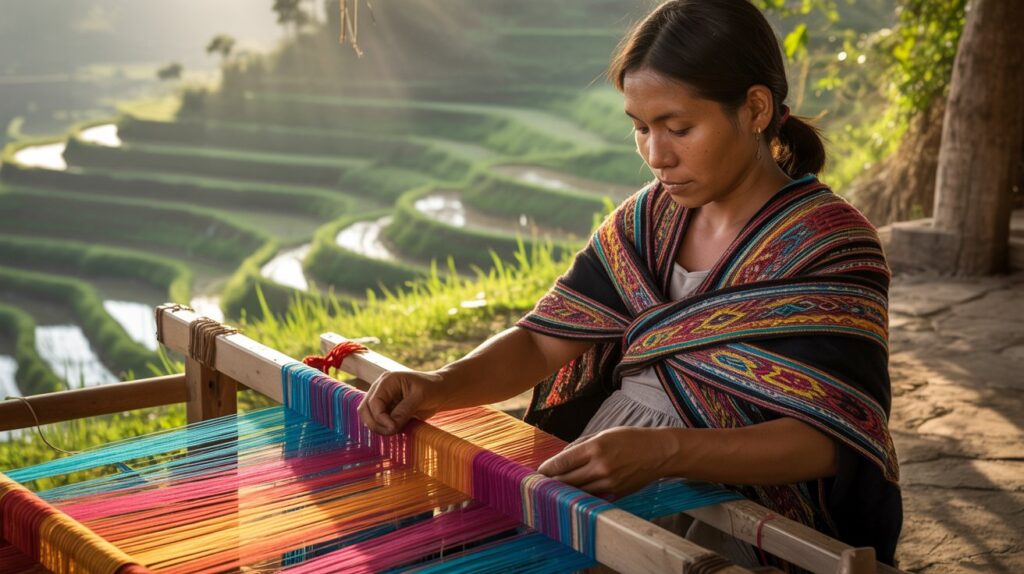
Traditional knowledge, by its nature, is often considered part of the public domain. The Indian Patents Act includes specific provisions to prevent the patenting of traditional knowledge. Notably:
- Section 3(p): This section states that inventions which are essentially traditional knowledge or merely an aggregation of known properties are not patentable. This aims to protect TK from being claimed as new inventions by third parties
- Section 3(e): It further disallows patents for substances obtained merely by admixture, which would typically cover many formulations derived from traditional practices
Notable Patent Law Cases Involving Traditional Knowledge
- Turmeric Patent Case: – A significant case involved the US Patent Office granting a patent for the wound healing properties of turmeric, which had been traditionally known in India for centuries. The Council of Scientific and Industrial Research (CSIR) challenged this patent based on prior art evidence from Indian texts. The patent was eventually revoked, highlighting the necessity for proactive measures in protecting traditional knowledge.
GEOGRAPHICAL INDICATIONS (GI) AND TRADITIONAL KNOWLEDGE
Geographical Indications (GIs) are a form of intellectual property that identifies goods as originating from a specific geographical location, where the quality or reputation of the product is linked to that origin. GIs serve to protect the unique characteristics of products that arise from specific cultural practices, environmental conditions, and local knowledge. Examples include Darjeeling tea and Basmati rice.
Case Studies –
- Darjeeling Tea:
- The GI tag for Darjeeling tea has helped protect its unique qualities linked to its geographical origin while providing economic benefits to local tea growers. However, challenges remain regarding equitable distribution of profits among all stakeholders.
- Basmati Rice:
- The GI registration for Basmati rice has been crucial in preventing unauthorized use by companies outside India. This has helped secure the heritage and economic interests of farmers who cultivate this traditional variety.
STEPS TO REGISTER GEOGRAPHICAL INDICATIONS IN INDIA
The registration of Geographical Indications (GIs) in India is governed by the Geographical Indications of Goods (Registration and Protection) Act, 1999. Below are the detailed steps involved in the registration process:
Step 1: Filing the Application
- Eligibility: The application can be filed by any person, producer, organization, association, or authority representing the interests of producers of the goods concerned.
- Form: Complete the application in the prescribed format (GI-1A) and submit it in triplicate. Each application must include a signed statement of case and an affidavit detailing how the applicant represents the producers’ interests.
- Fees: A fee of ₹5,000 is required, payable via cash, money order, bank draft, or cheque made out to the Registrar at the appropriate office of the Geographical Indications Registry
Step 2: Preliminary Scrutiny and Examination
- The application undergoes scrutiny by an examiner for any deficiencies. The applicant must rectify any issues identified within one month.
- The correctness of the application is assessed by a group of experts who will issue an examination report
Step 3: Show Cause Notice
- If there are objections to the application, a show cause notice will be issued. The applicant must respond or request a hearing within two months
Step 4: Publication in the GI Journal
- If accepted, the application is published in the Geographical Indications Journal within three months. This publication allows for public opposition
Step 5: Opposition Period
- Any individual can file a notice of opposition against the application within three months of its publication. The applicant must respond to any opposition with a counter-statement within two months
Step 6: Hearing
- If a counter-statement is filed, both parties present their evidence through affidavits and supporting documents during a hearing. If no counter-statement is filed, the application may proceed to registration without oppositionStep 7: Registration
- Upon approval, the GI is registered by the Registrar, and a certificate bearing the seal of the Geographical Indications Registry is issued. The registration is valid for ten years and can be renewed upon payment of a renewal fee.
Traditional Artistry: GI Tags for Laiphadibi Dolls and Channapatna Toys
These two traditional products from India, the Laiphadibi dolls of Manipur and the Channapatna toys of Karnataka, are exquisite representations of the country’s rich cultural heritage. Despite their deep-rooted significance and exceptional craftsmanship, both lack the protection and recognition that a Geographical Indication (GI) tag would provide. Granting them GI status would not only preserve these unique traditions but also help support local artisans and promote their artistry on a global scale. These handcrafted products deserve recognition for their cultural value and the skill involved in their creation.
- Laiphadibi dolls, or laidhibi, are traditional handmade dolls from Manipur with deep cultural significance. The name “Laiphadibi” combines “lai” (god), “phadi” (shabby cloth), and “bi” (feminine), symbolizing a feminine representation of divinity.
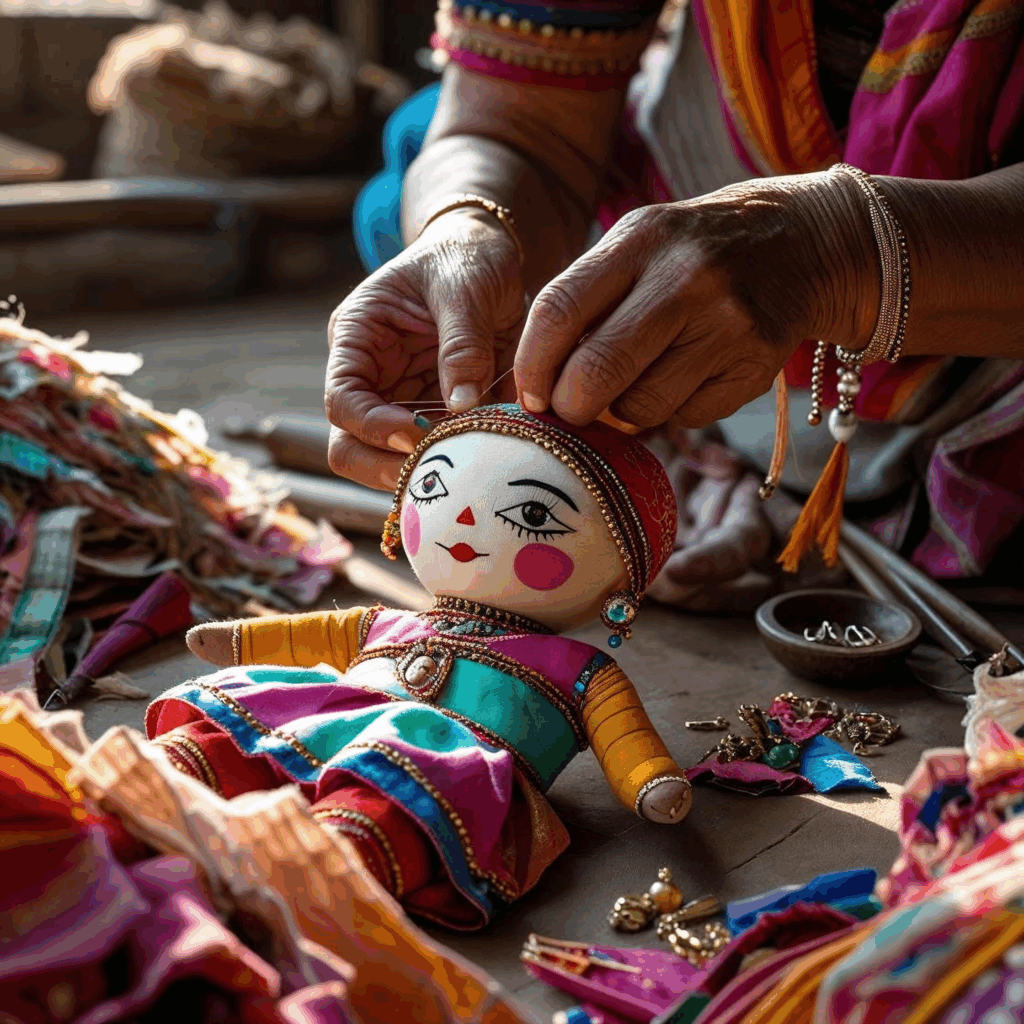
These dolls are believed to possess a living spirit, called ‘ita,’ which protects their owners from evil spirits. Traditionally made from old cloth pieces, the dolls have evolved to feature detailed facial characteristics and vibrant clothing, with accessories like beads and jewellery. The creation process involves a ritual called boriba for blessings.
The Laiphadibi dolls of Manipur represent not only a unique artistic tradition but also a vital aspect of the region’s cultural heritage.
Although these dolls are an important part of Manipur’s cultural heritage, they lack a Geographical Indication (GI) tag, which could help preserve and promote this unique craft, benefiting local artisans economically.
- Channapatna toys, from the town of Channapatna in Karnataka, are renowned for their craftsmanship and vibrant colors. Originating during Tipu Sultan’s reign in the 18th century, these traditional wooden toys are made from the ivory wood of the Wrightia tinctoria tree.
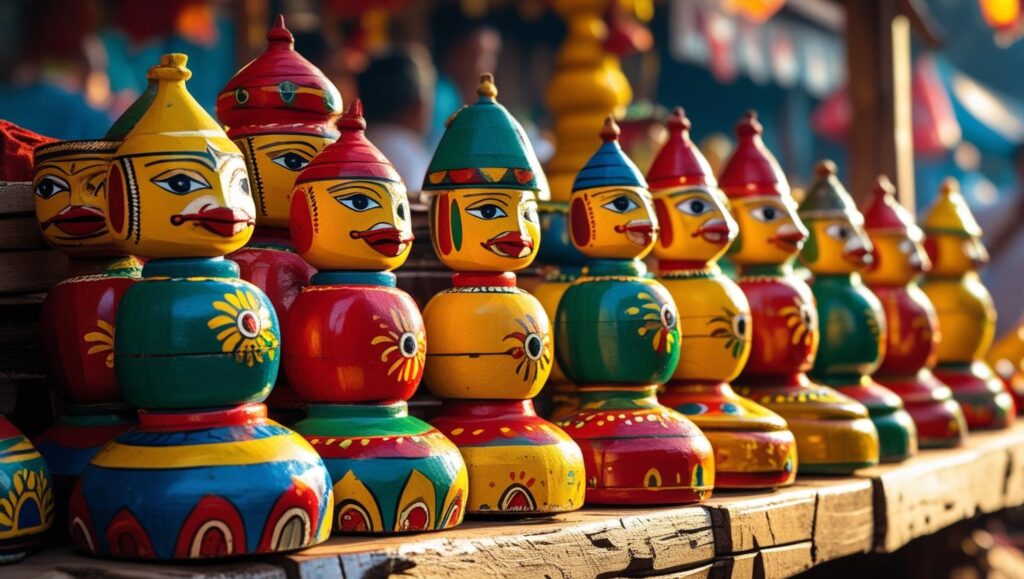
Artisans use age-old techniques, involving cutting, carving, lacquering, and painting with vegetable dyes, ensuring the toys are safe for children. Known as “Gombegala Ooru” or “Toy Town,” Channapatna has a rich tradition of toy-making.
Channapatna toys are not just playthings; they represent a rich cultural legacy rooted in Karnataka’s history. The GI tag is crucial for protecting this heritage while providing economic opportunities for artisans.
CONCLUSION
In conclusion, the protection of traditional knowledge and the cultural heritage embedded in artisanal crafts is vital for preserving the richness of India’s diverse communities. The inclusion of Traditional Knowledge and Geographical Indications within intellectual property frameworks plays a crucial role in safeguarding these unique resources from exploitation and misappropriation. While India’s patent law and GI registration processes provide important mechanisms for protection, more focused efforts to preserve TK and provide fair economic benefits to indigenous communities are essential. The recognition and protection of traditional knowledge and crafts, such as Laiphadibi dolls and Channapatna toys, through proper IPR frameworks, will ensure their continued relevance and support for the artisans and communities who are the custodians of this invaluable heritage.